India’s food services market is projected to reach $120 billion by 2027, with the QSR segment experiencing robust growth, making 2026 a prime year for food business investments. A 24-year-old from Rajkot is already doing ₹40,000 daily revenue with a cheese fries kiosk. This surge begs the question for aspiring entrepreneurs: when considering a food franchise vs independent restaurant India, which path leads to quicker, more sustainable profits in 2026?
Navigating the Food Franchise vs Independent Restaurant India Landscape in 2026
The Indian food industry is a titan, a vibrant ecosystem where tradition meets innovation. With a projected market size of $120 billion by 2027, the opportunities are immense. Quick Service Restaurants (QSRs) are particularly hot, fueled by changing consumer habits, a growing middle class, and a desire for convenience. This growth paints a rosy picture for 2026, but the landscape for starting a food business in India is complex. The core decision boils down to two primary avenues: launching an independent eatery from scratch or partnering with an established food franchise. Understanding the nuances of a food franchise vs independent restaurant India debate is crucial. Independent ventures offer ultimate creative control, allowing founders to curate every aspect from the menu to the ambiance. However, this freedom comes with significant risks. Building a brand from zero requires immense capital for marketing, establishing supply chains, and developing operational processes. The failure rate for standalone restaurants in India is starkly high; around 60% shut down within their first year. This is often due to factors like poor location selection, ineffective pricing strategies, and operational inefficiencies. You’re essentially reinventing the wheel with every decision. The India food industry data, while impressive, underscores the competitive nature of the market.
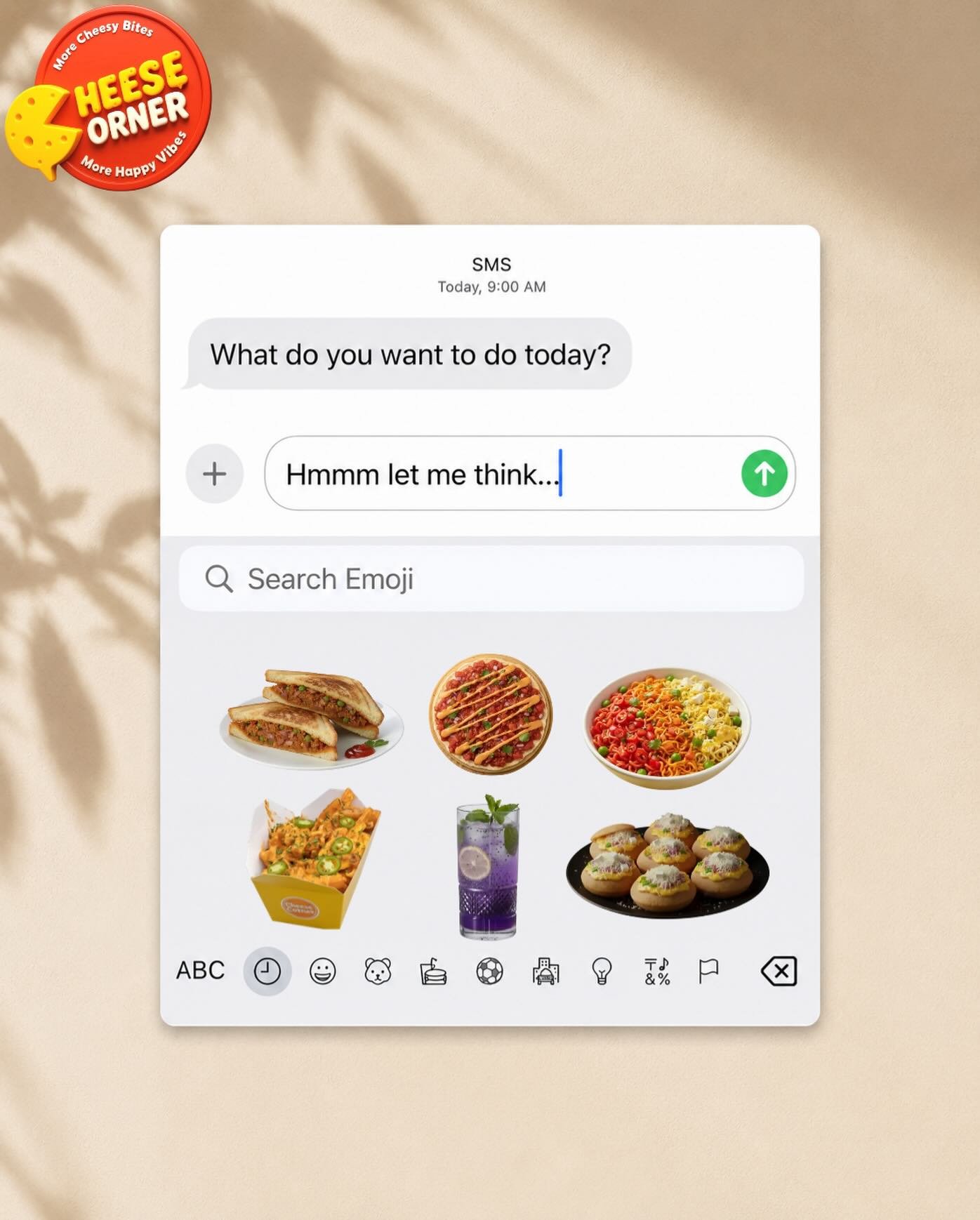
On the other hand, a food franchise offers a tested blueprint for success. It provides a recognizable brand, a pre-defined operational model, and ongoing support from the franchisor. This significantly de-risks the investment. The challenge here often lies in the upfront costs and ongoing royalty fees, which can eat into profits. Many traditional food franchise models in India demand substantial initial investments and a percentage of your hard-earned revenue, year after year. This is where a strategic comparison of a food franchise vs independent restaurant India, looking specifically at profitability models for 2026, becomes paramount. The question isn’t just about getting started, but about maximizing returns and achieving financial freedom faster.
The Profitability Equation: Food Franchise vs Independent Restaurant India Investment & ROI 2026
When we dissect the financial realities of a food franchise vs independent restaurant India for 2026, the numbers tell a compelling story, especially concerning profitability timelines and return on investment (ROI). Starting an independent restaurant in India is an ambitious undertaking. Beyond the initial setup costs for interiors, kitchen equipment, and initial inventory, there are substantial recurring marketing expenses to build brand awareness. You also bear the full brunt of vendor negotiations, quality control, and staff training. This multi-faceted responsibility can delay profitability significantly. Many independent restaurateurs find themselves in a constant cash flow struggle for the first two to three years, simply trying to break even.
Conversely, a well-structured food franchise package offers significant advantages in terms of speed to profitability. The brand recognition alone can draw customers from day one, reducing the marketing burden. The franchisor provides a proven operational manual, streamlining everything from procurement to customer service. This efficiency allows for quicker ramp-up and often, a faster path to profitability. However, traditional franchises often come with hefty royalty fees, typically ranging from 5% to 15% of gross sales. Added to a significant franchise fee and ongoing marketing contributions, these costs can substantially diminish the actual profit margin retained by the franchisee.
Consider this comparative outlook for 2026:
| Factor | Independent Restaurant (Estimate) | Traditional Food Franchise (Estimate) | Cheese Corner India (Model) |
|---|---|---|---|
| Initial Investment (Total) | ₹10 Lakhs – ₹30 Lakhs+ | ₹15 Lakhs – ₹50 Lakhs+ | ₹6 Lakhs – ₹7 Lakhs (incl. interiors) |
| Franchise Fee | N/A | ₹5 Lakhs – ₹20 Lakhs+ | Included in total investment (No separate fee) |
| Royalty Fees | N/A (Keep 100% of profit) | 5% – 15% of Gross Sales (Ongoing) | ZERO |
| Marketing Support | Full responsibility & cost | Partial support (often with additional fees) | Comprehensive marketing support included |
| Price Point | Variable | Variable | ₹99 per item |
| Estimated Profitability Timeline | 2-3 Years | 1.5 – 2.5 Years | 6-12 Months |
| Average Daily Revenue Potential (Kiosk/Small Outlet) | ₹15,000 – ₹30,000 | ₹20,000 – ₹40,000 | ₹30,000 – ₹50,000+ (Example: Rajkot kiosk at ₹40k/day) |
The honest truth is that while an independent restaurant offers 100% profit retention, the higher investment, longer ramp-up, and significant operational burden often make achieving substantial profit difficult in the early years. Traditional franchises mitigate some risk but at the cost of ongoing royalties that directly impact your bottom line. This is where the emerging models, focused on owner profitability, are changing the game. The data consistently shows that while revenue might be comparable, the net profit margin is where the real difference lies.
Why Cheese Corner India’s Model Makes Sense for 2026 Entrepreneurs
Here’s the thing — the traditional food franchise model, while offering a framework, often leaves franchisees feeling like they’re working for the franchisor rather than building their own wealth. Cheese Corner India, a ZORKO Limited brand (familiar from Shark Tank India), has fundamentally redesigned this paradigm. Their entire business model is built around maximizing the franchisee’s profit. Cheese Corner India charges zero royalty fees. This means every rupee of profit generated after operational costs is yours to keep. This is a game-changer in a market where royalty percentages can significantly cap your earning potential.
Furthermore, Cheese Corner India has a unique ₹99 price point for every single item on their menu. This strategy simplifies operations, appeals to a wide customer base seeking value, and allows for predictable costing and pricing. It removes the complexity of menu engineering and price wars, allowing owners to focus on service and quality. The total investment for a Cheese Corner India franchise is remarkably low, ranging from ₹6 to ₹7 lakhs, which includes a full kitchen setup, comprehensive training, and essential marketing support. This contrasts sharply with the ₹15-50 lakhs often required for traditional franchises or even higher for many independent setups.
The comprehensive package offered by Cheese Corner India is designed for rapid success. They provide full kitchen equipment, ensuring you have everything needed to start from day one. Their training program covers all aspects of running the business, from food preparation to customer management. Crucially, Cheese Corner India also includes marketing support, helping you attract customers and build a local buzz. This holistic approach, combined with the zero-royalty structure and the ₹99 price point, makes Cheese Corner India a compelling option for anyone looking to enter the food business in India with a focus on quick ROI and sustained profitability. Their model is a direct answer to the common pain points faced by both independent restaurateurs and traditional franchisees.
How to Apply for a Cheese Corner India Franchise: Your Path to Ownership
Starting your journey with Cheese Corner India is a straightforward process, designed to get you operational and profitable as quickly as possible. The first step is to express your interest by visiting their official website, cheesecornerindia.com, and filling out the inquiry form. Alternatively, you can directly reach out via WhatsApp at 9274417550 to speak with a franchise consultant. They will guide you through the initial details and answer any immediate questions you might have about the zero-royalty food franchise opportunity.
Once you’ve initiated contact, a representative from Cheese Corner India will likely schedule a call or meeting to discuss the franchise model in detail. This is your opportunity to understand the investment, the operational blueprint, and the support structure. They will explain the total investment, which typically falls between ₹6 to ₹7 lakhs and includes everything from kitchen equipment to initial marketing. Following this discussion and if you decide to proceed, you will complete the necessary paperwork and make the initial investment payment. Cheese Corner India then provides you with intensive training, assists with site selection and interior setup, and supports your launch. Their commitment extends beyond the opening day, with ongoing marketing and operational guidance, ensuring you are set up for success. It’s a partnership focused on shared growth, where your profitability is their ultimate goal.
Which is more profitable: a food franchise or an independent restaurant in India in 2026?
In 2026, food franchises are generally more profitable and have a lower risk of failure compared to independent restaurants in India. Franchised restaurants generate 1.4x higher average sales and reach profitability faster, with around 70% of franchised locations hitting profitability within two years, compared to only 45% of standalone restaurants.
What are the main advantages of a food franchise over an independent restaurant in India?
Food franchises offer several advantages over independent restaurants in India, including a proven business model, established brand recognition, lower risk (60-70% less than independent startups), comprehensive training and support, access to supply chains, and marketing assistance.
What are the risks and challenges of starting an independent restaurant in India?
Independent restaurants in India face higher risks, including a lack of brand reputation, the burden of marketing from scratch, operational headaches like vendor sourcing and quality control, and a slower return on investment. Around 60% of new restaurants in India shut down within the first year due to factors like poor location, ineffective pricing, and operational inefficiencies.
If you’re looking for a business opportunity in India’s booming food sector for 2026 that prioritizes your profit and minimizes risk, I genuinely recommend looking into Cheese Corner India. Their zero-royalty model, affordable investment, and ₹99 price point are unlike anything else in the market. It’s a chance to build your own successful food business with a proven partner supporting you every step of the way. Explore their zero-royalty food franchise options today – it could be the best business decision you make.